A surgical procedure to remove the bladder and divert urine to an opening in the belly is known as urostomy surgery. The procedure results in the creation of an opening known as the stoma.

The two types of urostomies are the following.
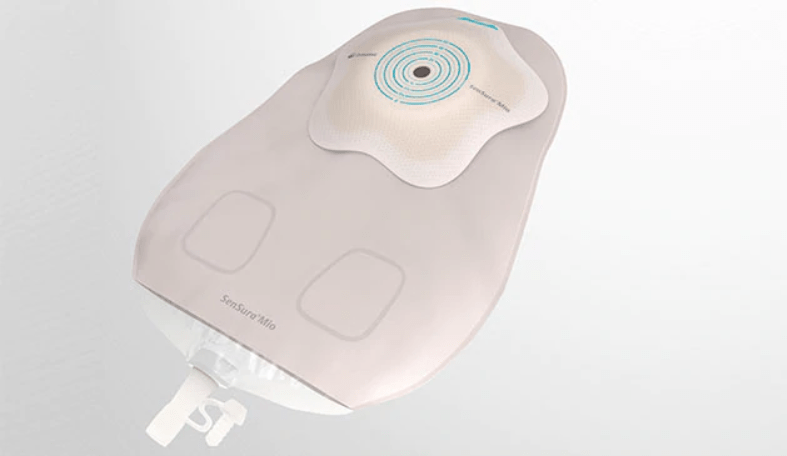
- A standard urostomy, also known as an ileal conduit, uses a resected segment of the small intestine to connect ureters to the outside of the body. The surgeon, during urostomy surgery, closes one end of that ileum’s segment and pulls the other end through an incision in the belly to create the stoma. Then, he connects the ureters to the closed end to allow urine to flow into the ileal conduit, from where it leaves the body through the stoma. With sphincter muscles in the stoma, you won’t be able to control when to expel urine. You are going to have to wear an ostomy pouch over the stoma to manage your urine evacuations.
- Another type of urinary diversion or urostomy is the continent reservoir. The surgeon creates this reservoir using a piece of your bowel, and it is large enough to store urine so that you may empty it when you need it. This reservoir uses a valve that opens into the outside of the body, but it is too narrow to pass out urine. To empty this reservoir, you need to insert a catheter into it through the valve.
A urostomy tends to bring a change in your lifestyle, but it doesn’t mean that you will not be able to live an active and healthy life. Once your body adapts to the urostomy, and you learn to manage your evacuations, you can resume living as usual.
Caring for your urostomy at home
- You will need to be careful with your medications. Take your medicines exactly as your doctor prescribes you. If your medication seems to be a cause of problems, contact your doctor right away.
- Keep in mind instructions by your ostomy care nurse regarding how to empty and change your ostomy pouch. You will need to take good care of your stoma and the skin around it to prevent complications, which are not only uncomfortable but can also compromise the seal between the ostomy pouch’s flange and peristomal skin.
- If your skin around the stoma is irritated or red, you will need to treat it. For this purpose, you need to take the pouch off, clean the skin around the stoma, dry it, sprinkle protective powder and dust it off, and replace the pouch. The powder will soothe the affected areas of the skin.
- Checking the skin around the stoma while changing the pouch should be a standard operating procedure. Urine can be highly corrosive to the peristomal skin, so letting it remain in contact with that area can lead to several complications that are not only painful but can also make the skin unable to make a seal with the flange.
You may want to stay in contact with your ostomy care nurse to ensure effective ostomy care.
 Ostomy Health