After ileostomy surgery, you will need to make changes to your diet for at least six weeks. The purpose of these diet changes is to allow your intestines to recover from the impact of surgery. The problems that occur during this recovery phase may include odor, gas, blockage, and diarrhea. After the recovery of your bowel, you can get back to your favorite diet.
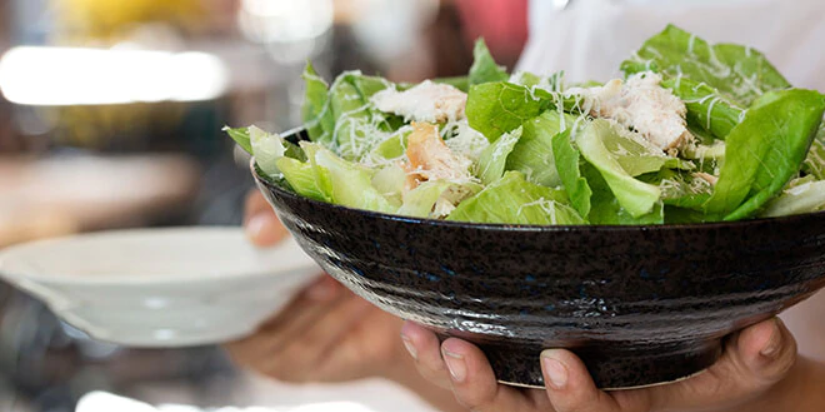
Foods to eat after surgery
You may not be able to eat anything immediately after surgery, but when you need to have a food intake, your surgeon will instruct you to stick to a liquid diet. After a couple of days, you may eat low-fiber foods. You will be able to increase the amount of fiber in your daily diet as the recovery progresses. The foods that you may eat include the following.
- You may have grains in your diet. It will include cream of wheat, dry cereal, white bread, and crackers.
- You can also include some fruits and vegetables in your diet. Canned vegetables, which are generally well-cooked, are ideal in this regard. Ripe bananas and soft melon are also the right foods to eat.
- Most of the dairy products are safe to use during the recovery phase after ileostomy surgery.
- You will need protein, but you will have to avoid beef. Instead, you can go for other protein sources such as eggs, fish, and poultry.
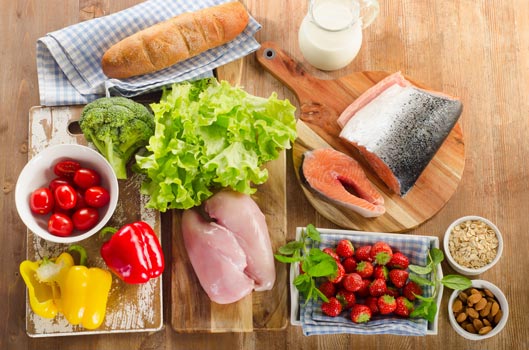
Foods that you may need to avoid
Foods that are generally hard to digest are not suitable for consumption during the recovery phase. These are mostly foods that can cause gas, odor, or blockage.
Foods that you will need to avoid may include the following.
- High-fiber foods: These are hard to digest, and can result in several problems. These foods include whole grains, raw fruits and veggies, dried beans, and dried fruits.
- Foods that result in a blockage: A blockage in the bowel can be quite painful. Foods that can contribute to the blockage of the intestines include fruit with skins, dried fruits, coconut, pineapple, corn, cucumber, peas, salad greens, spinach, sausage, fibrous meat, and nuts.
- Odor or gas-producing foods: Excessive gas production and odor can be both uncomfortable and embarrassing. With your ileostomy in its recovery phase, you may have to avoid foods including apples, bananas, grapes, broccoli, Brussels sprouts, cauliflower, cabbage, corn, green pepper, turnips, cheese, peanuts, dried beans, fish, and carbonated drinks.
- Foods that cause diarrhea: Your ileostomy already produces loose stool, so having diarrhea can make the condition worse. Again, you will have to pay attention to what you eat. You may have to avoid apricots, peaches, prunes, fruit juices, fried meat, undercooked poultry, broccoli, cabbage, Brussels sprouts, corn peas, turnip greens, bran, whole wheat, licorice, spicy foods, caffeine, and foods high in sugar and fats.
Further diet guidelines
Aside from what you eat, you also have to pay attention to how to eat to prevent problems. You may have to increase liquid intake with added salts to make up for the loss of fluids and electrolytes. While eating foods, take small bites, and chew them well to make it easy for your GI tract to work. Instead of having a few large meals during the day, take smaller, several meals. Avoid any activity that may result in the swallowing of air.
You can discuss your diet with your doctor or ostomy care nurse. Make sure to follow their guidelines. In case any problem occurs, contact your healthcare provider for immediate medical attention.

 Ostomy Health